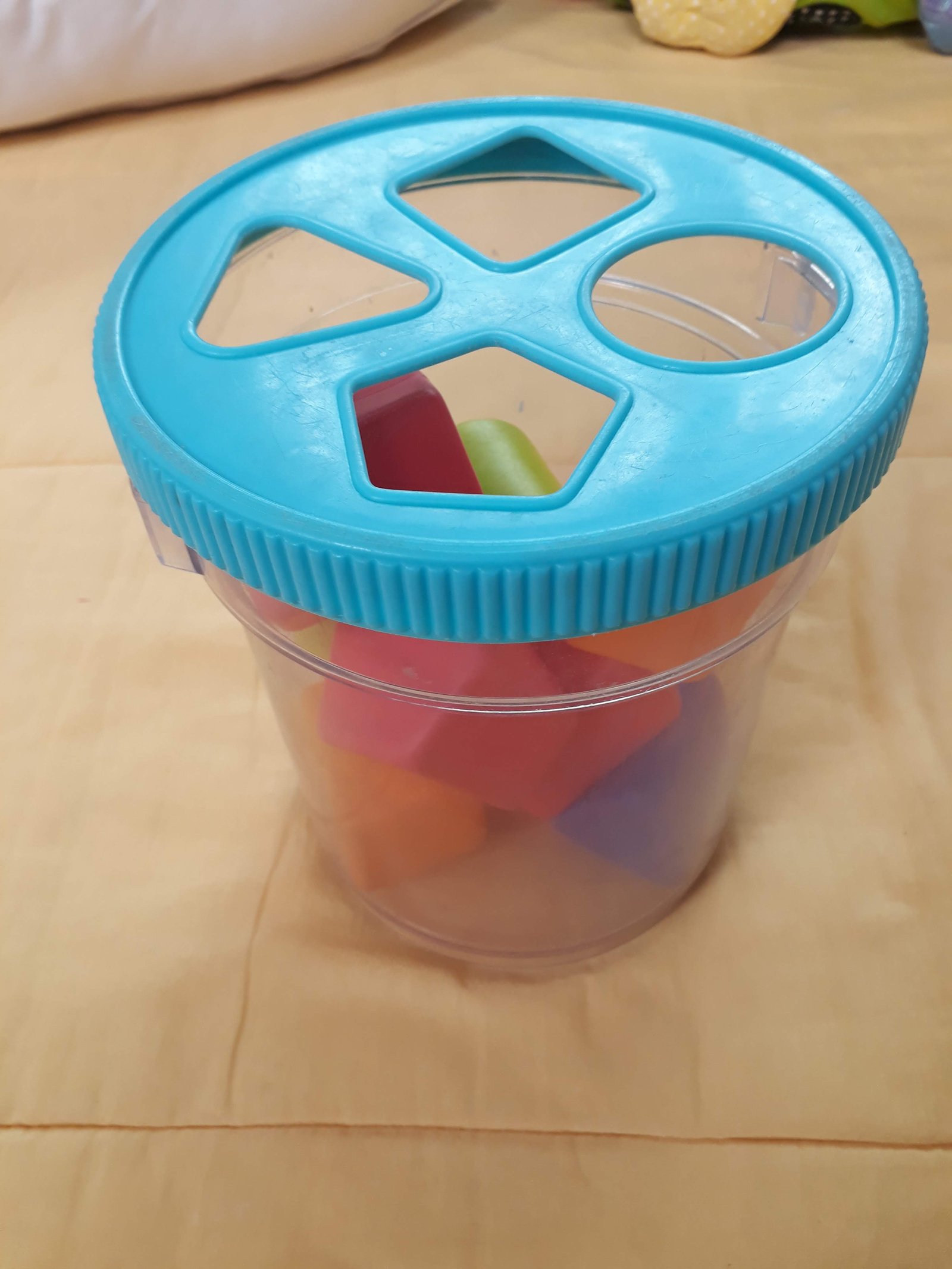
We see geometric shapes everywhere around us: the table is a rectangle, the ball is a circle, and some windows are squares. Learning about shapes helps children notice the world around them in a new, organized way.
Common Shapes and Their Features
A circle is a round shape with no corners or straight sides, and every point on its edge is the same distance from its center. A square has four sides of equal length and four equal right angles. A rectangle looks like a square but has two long sides and two short sides, also with four right angles.
A triangle has three sides and only three angles, and its sides may be equal or different lengths. Three-dimensional shapes like spheres and cubes differ from flat shapes because they have thickness and volume — a sphere is round from every direction, like a soccer ball, and a cube has six square faces, like an ice cube.
Learning shapes isn't just about memorizing names — it's a skill that helps children understand area and volume later in math, and builds their ability to observe and classify. Children can spot these shapes in household objects, toys, and buildings around them, which connects learning to their everyday life.
- Circle: a round shape with no corners
- Square: four equal sides and four right angles
- Rectangle: two long sides, two short sides, four right angles
- Triangle: three sides and three angles