Muhammad ibn Ibrahim al-Shirazi, known as Mulla Sadra, was born in 979 AH/1571 CE in Shiraz, Iran. He traveled to Isfahan, then capital of the Safavid state, to study rational and traditional sciences under its leading scholars, later retreating for a period to the village of Kahak near Qom for contemplation and spiritual discipline before returning to teaching and writing.
Mulla Sadra developed a new philosophical school known as «al-Hikma al-Muta'aliya» (Transcendent Theosophy), synthesizing Peripatetic and Illuminationist philosophy with theoretical Sufism and theology. His signature contribution was the theory of «substantial motion», holding that continuous change and motion occur in the very substance of things, not merely their accidents. He recorded his philosophy in his monumental encyclopedia «al-Hikma al-Muta'aliya fi'l-Asfar al-'Aqliyya al-Arba'a» (The Four Intellectual Journeys).
His Legacy
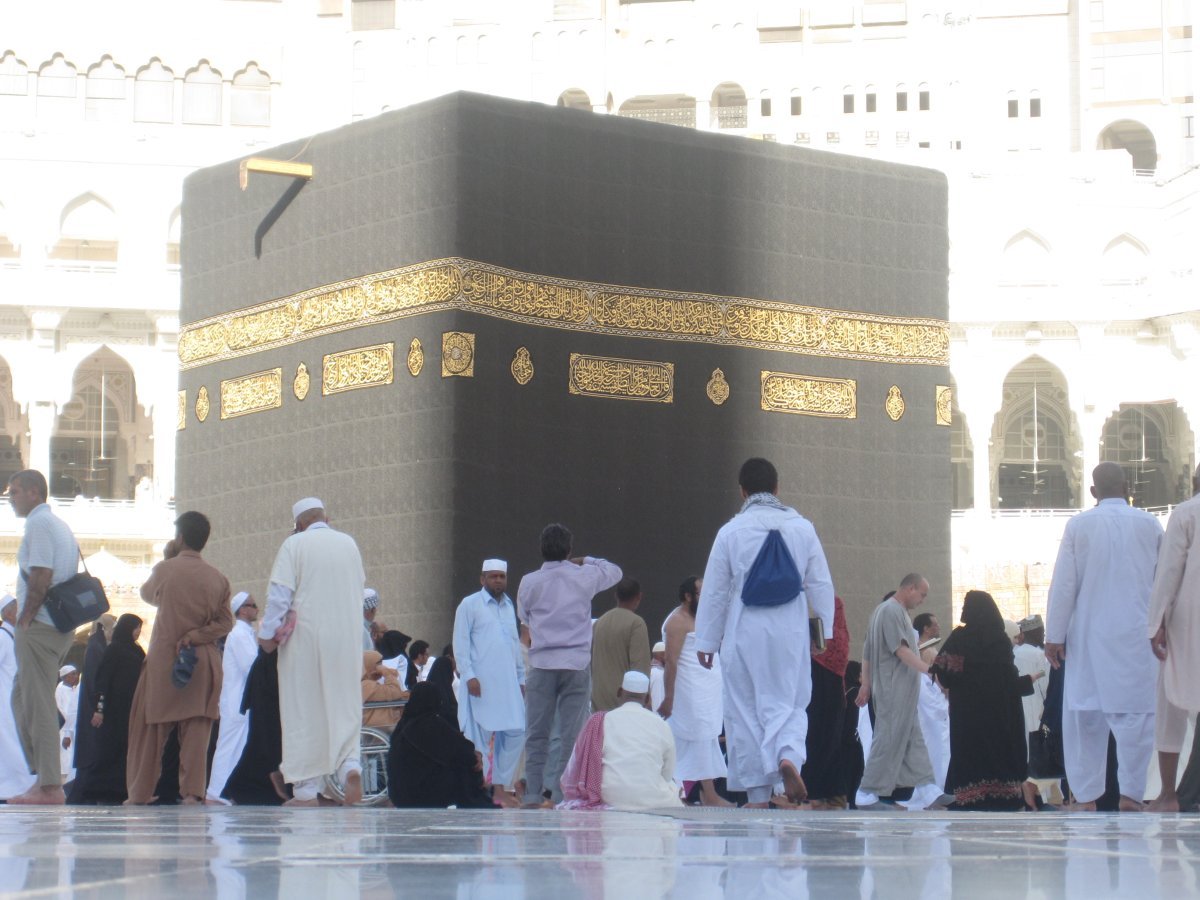
Mulla Sadra died in Basra in 1050 AH/1640 CE while returning from the pilgrimage to Mecca. His «Transcendent Theosophy» became one of the most influential philosophical schools in Iran and the wider Islamic world into the modern era, and remains studied in seminaries and universities as one of the most profound systems of Islamic philosophy.