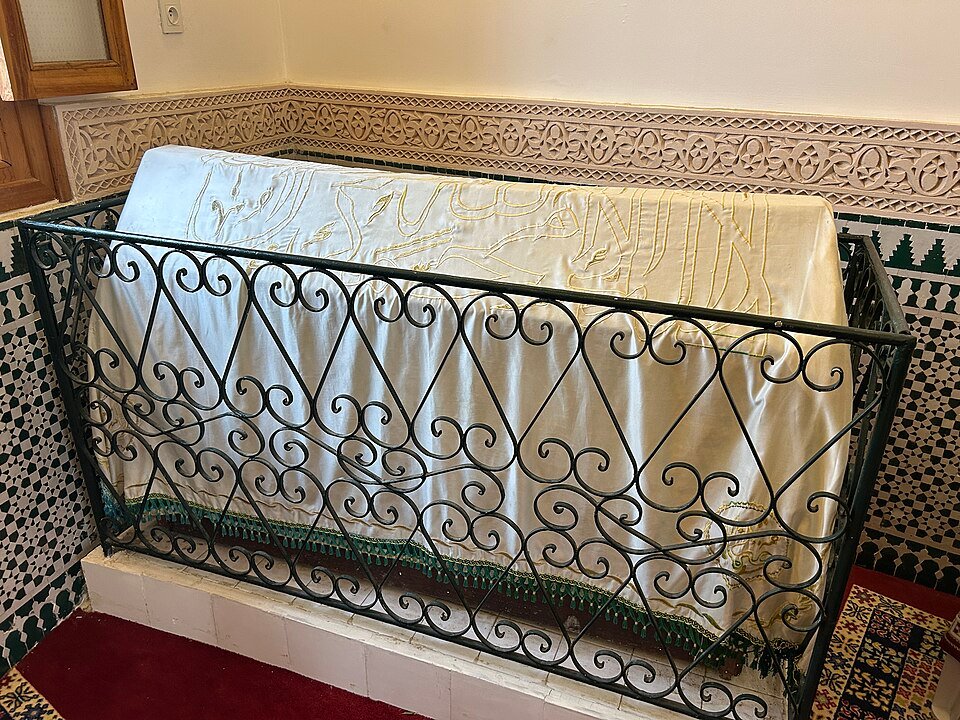
Abu Abdullah Muhammad ibn Battuta was born in Tangier, Morocco, and left at the age of twenty-one intending to perform the pilgrimage to Mecca. His journey, however, turned into an adventure lasting nearly thirty years, during which he traversed most of the Islamic world and beyond — visiting North and West Africa, the Arabian Peninsula, the Levant, Iraq, Iran, East Africa, Central Asia, the Indian subcontinent, the Maldives and Sri Lanka, Southeast Asia, and eventually China.
A Life of Travel and the Rihla
During his travels, Ibn Battuta served as a judge in Delhi under Sultan Muhammad bin Tughluq, and held a similar position in the Maldives. He also crossed the Sahara southward to reach the Mali Empire in West Africa, describing its court and customs in valuable detail. After returning to Morocco, the Marinid Sultan Abu Inan commissioned him to dictate an account of his travels to the scribe Ibn Juzayy, and together they produced Tuhfat al-Nuzzar fi Ghara'ib al-Amsar wa Aja'ib al-Asfar, commonly known as the Rihla of Ibn Battuta, which today remains one of the most important sources for understanding the societies and political systems of the fourteenth-century Islamic world and beyond.
- Covered an estimated 120,000 kilometers across three continents
- Served as a judge in both Delhi and the Maldives
- Reached the Mali Empire by crossing the Sahara and documented its society
- Recorded his travels in a book that remains an invaluable historical and geographical reference
Ibn Battuta is widely regarded as the most extensively traveled figure of the medieval era, and his Rihla remains today a rich source for historians and geographers seeking to understand the fourteenth-century Islamic world.