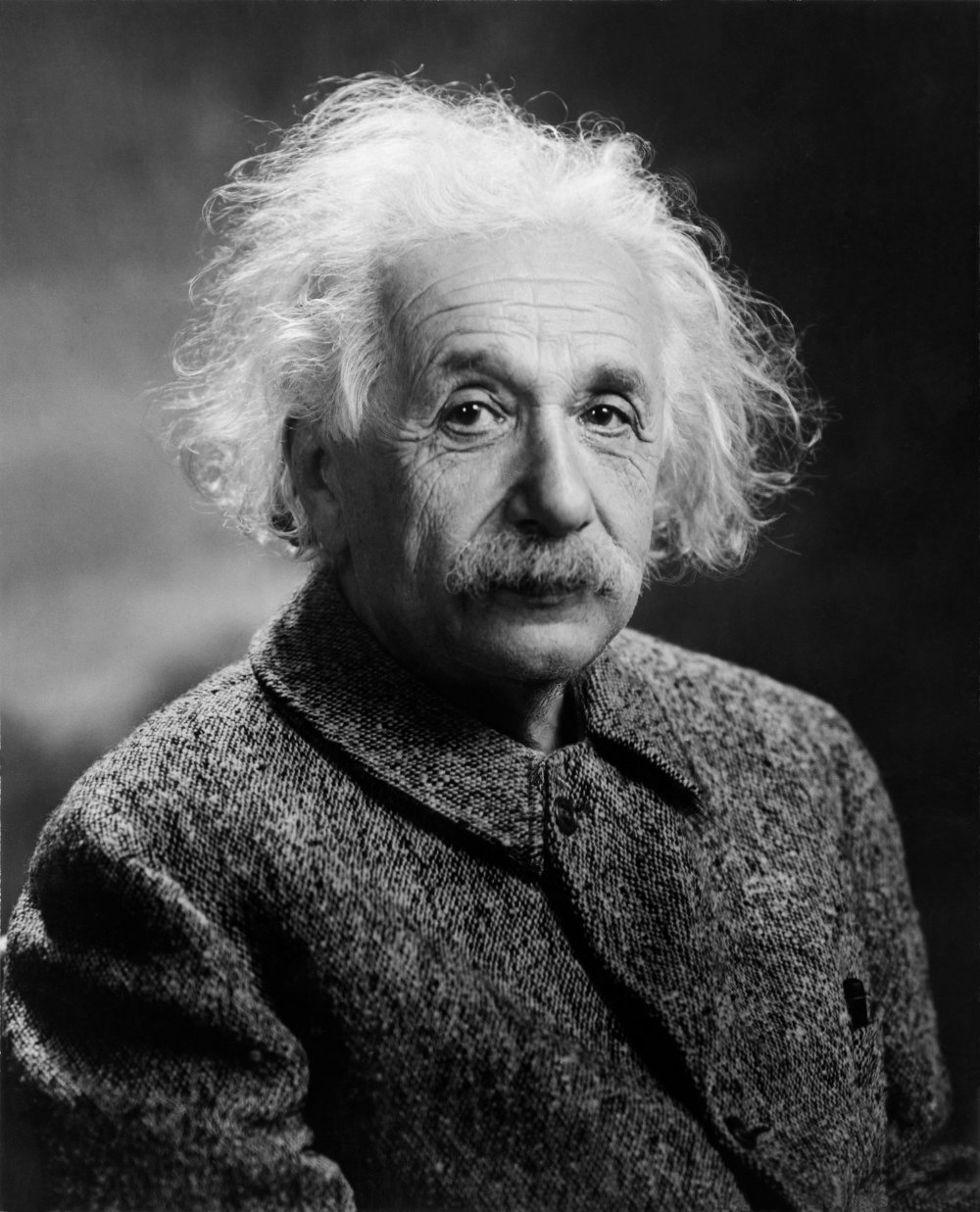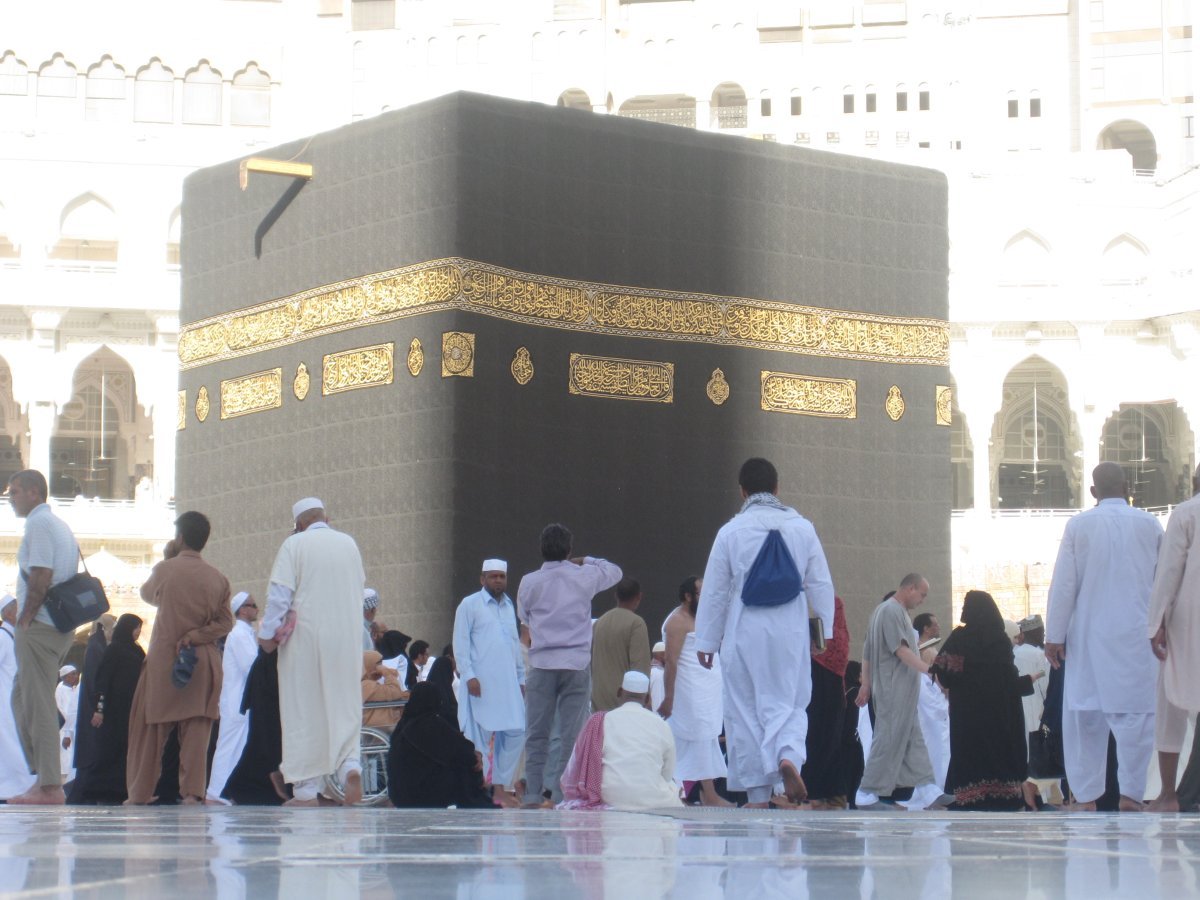

Abu Hamid Muhammad al-Ghazali was born in Tus, Khurasan, and studied in Nishapur under Imam al-Haramayn al-Juwayni, excelling in jurisprudence, theology, and logic until he was appointed head of the Nizamiyya school in Baghdad at just thirty-three — a prestigious academic post considered among the most important in the Islamic world at the time. His fame spread widely, yet he underwent a profound spiritual and intellectual crisis that led him to doubt the certainty of the knowledge he had acquired, prompting him to suddenly abandon his esteemed position for a life of asceticism and Sufism.
The Spiritual Journey and Enduring Works
Al-Ghazali then traveled between Damascus, Jerusalem, and Mecca, devoting himself to worship and reflection. During this period he wrote his monumental work Ihya Ulum al-Din (The Revival of the Religious Sciences), uniting jurisprudence, doctrine, ethics, and Sufism into a single integrated framework, making it one of the most influential books in the history of Islamic thought. He also wrote Tahafut al-Falasifa (The Incoherence of the Philosophers), offering a rigorous philosophical critique of certain views held by philosophers such as Ibn Sina and al-Farabi on specific doctrinal matters, sparking a philosophical debate that lasted centuries and was later answered by Ibn Rushd. In his book Al-Munqidh min al-Dalal (Deliverance from Error), al-Ghazali recounted his intellectual journey from doubt to certainty in a style considered one of the earliest examples of intellectual autobiography in the Islamic tradition.
- Authored Ihya Ulum al-Din, one of the greatest works in Islamic thought
- Wrote Tahafut al-Falasifa, sparking a philosophical debate lasting centuries
- Reconciled jurisprudence, doctrine, and Sufism within an integrated framework
- Documented his intellectual journey in Al-Munqidh min al-Dalal, an early intellectual autobiography
Al-Ghazali returned to teaching in Nishapur late in life before dying in his hometown of Tus in 1111 CE, leaving an intellectual legacy regarded as among the deepest and most comprehensive contributions in the history of Islamic thought.