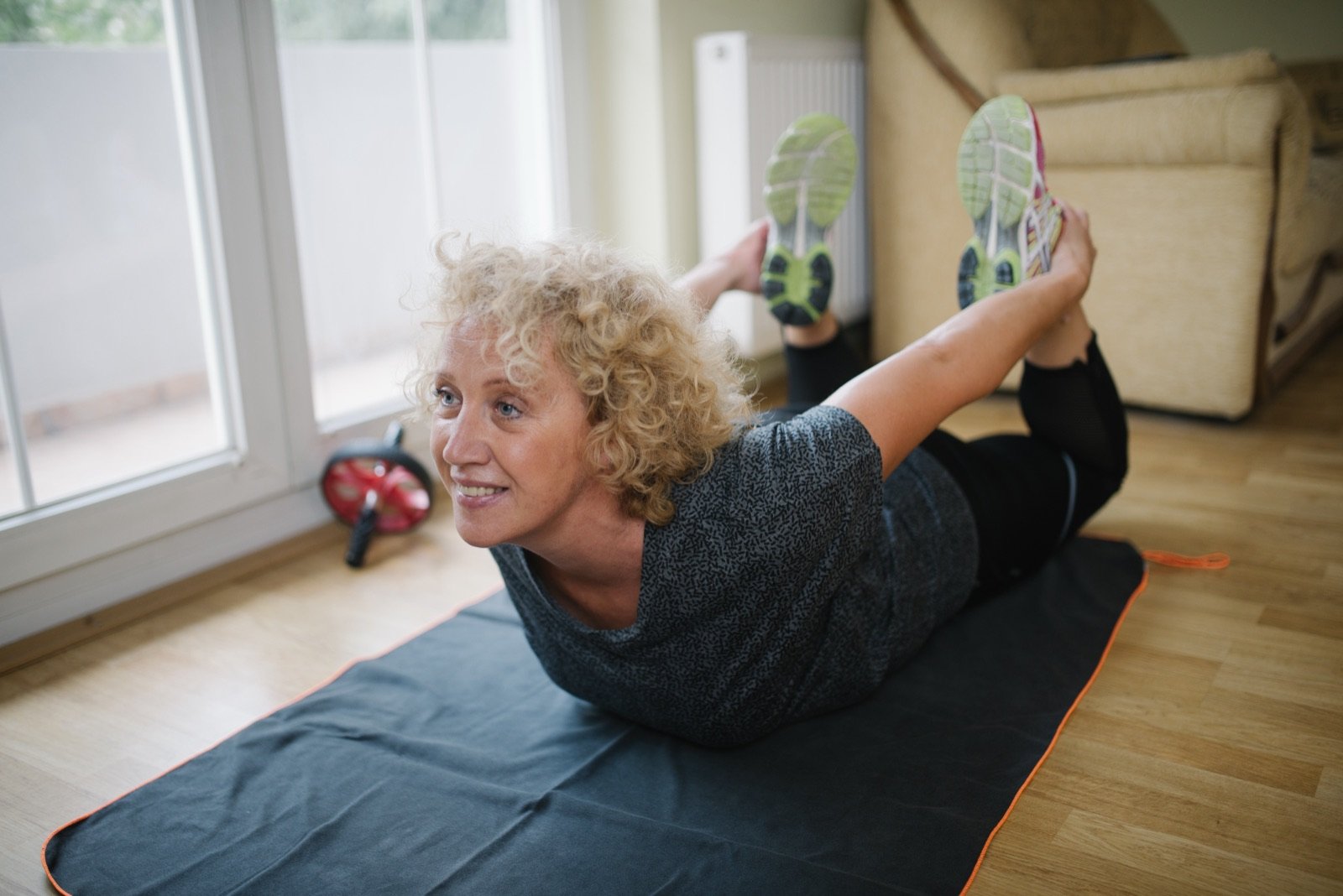

It is easy to believe that exercising every single day without stopping is the fastest path to results, but the physiological truth is the opposite: your muscles do not grow or strengthen during the workout itself, but during the recovery period afterward, when the body rebuilds muscle tissue stronger.
What Happens If You Do Not Rest?
Continuous training without adequate rest leads to what is known as overtraining, with symptoms including persistent fatigue, declining performance despite effort, disrupted sleep, and increased injury susceptibility. These are signs that call for immediately easing your training load, not ignoring them.
How to Fit Rest In Smartly
- Set aside one to two full rest days weekly, depending on your training intensity.
- Practice “active recovery” like light walking or stretching on rest days instead of total inactivity.
- Prioritize adequate sleep — it is the single most important factor in muscle recovery and rebuilding energy.
- Vary your workout type across the week to rest the same muscle group from repeated loading.
Rest is not a pause from progress — it is part of the progress process itself. Respecting it protects you from injury and improves your results long-term.