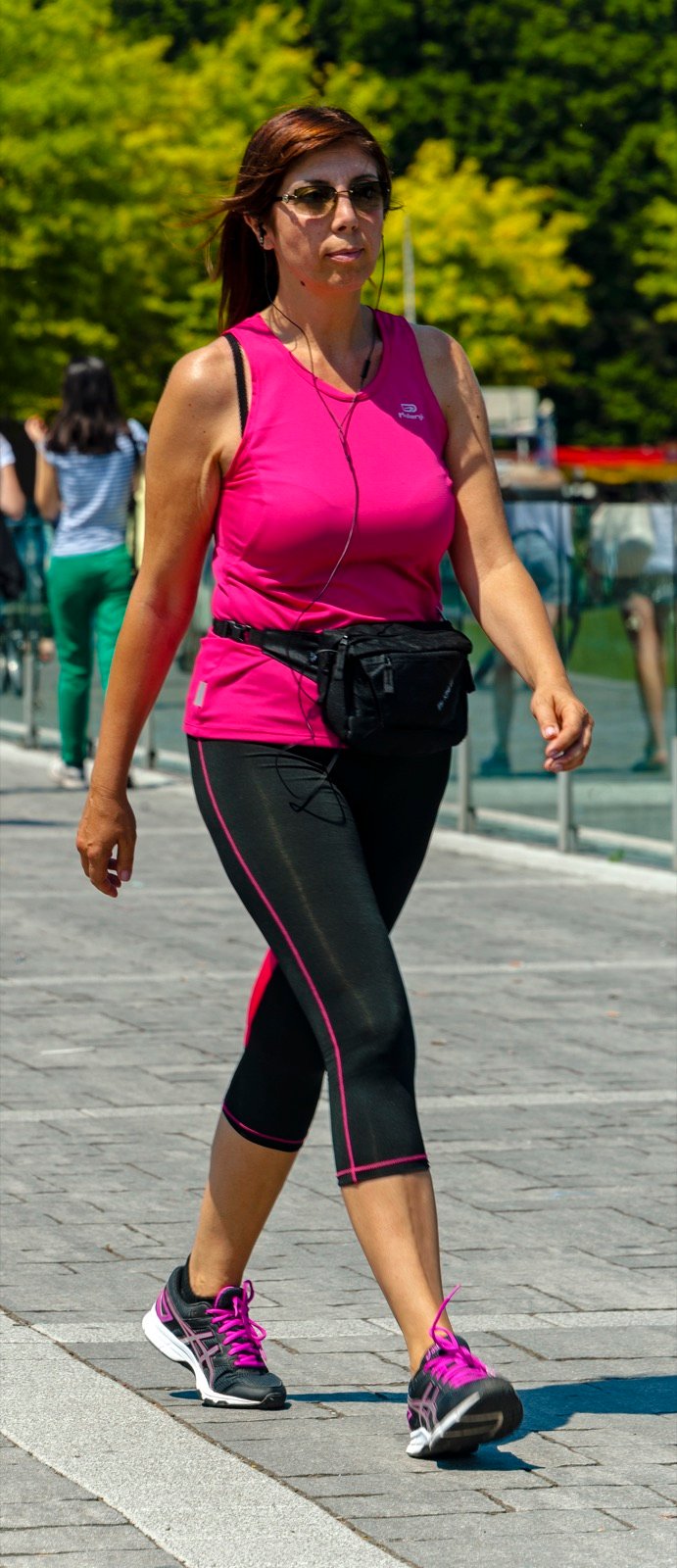
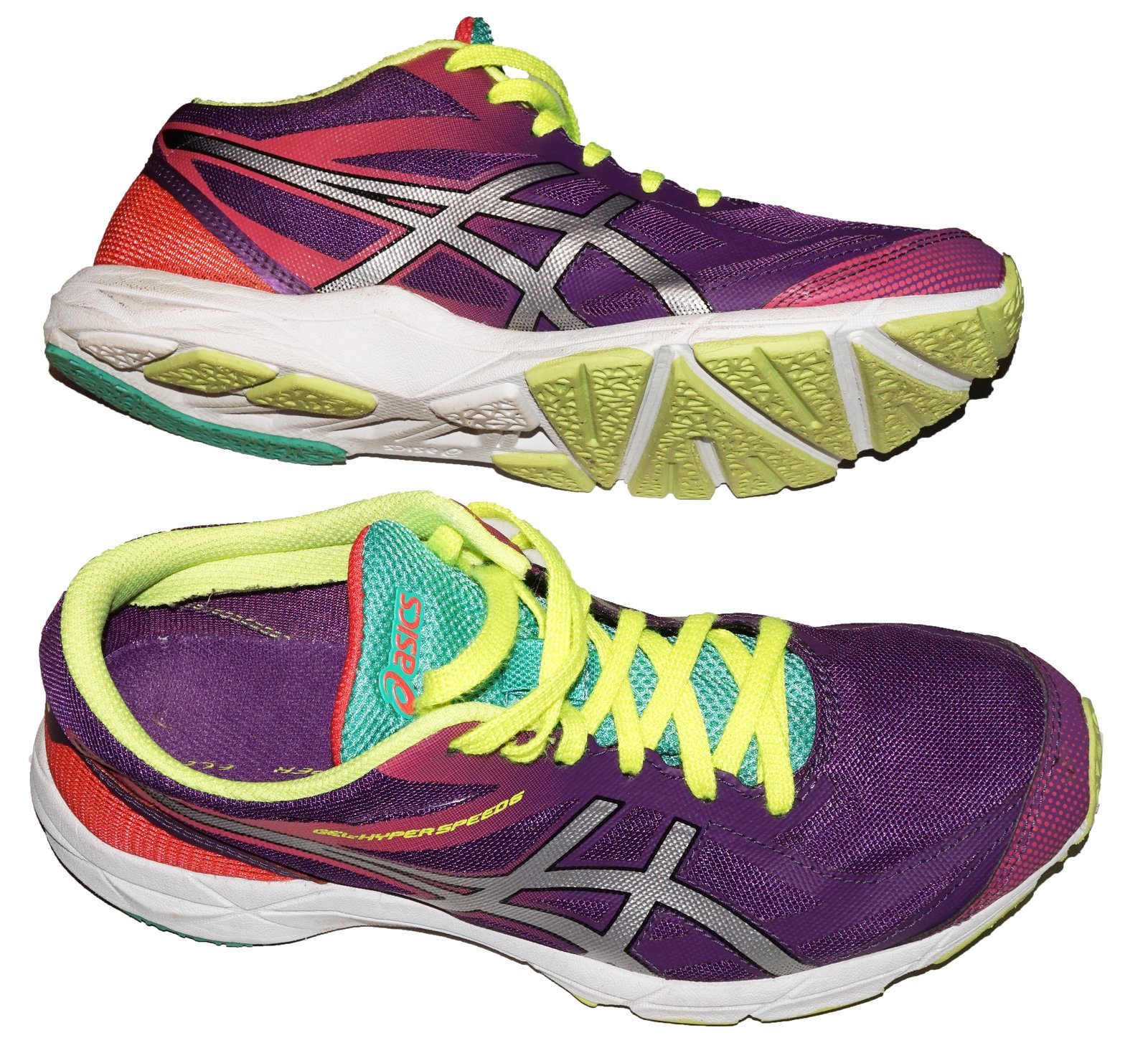
Many women wear the same shoe for every sport without distinction, even though each activity places different demands on the foot. The wrong shoe is a common cause of knee and ankle pain even when form is otherwise correct.
Why the Type of Shoe Matters
Running shoes are designed to absorb repeated forward-impact forces, while cross-training shoes offer greater lateral stability for varied movements like squats or side steps. Using a running shoe for strength training, or vice versa, can increase the risk of a sprain.
How to Choose Wisely
- Buy shoes later in the day, when your feet are at their widest natural size.
- Leave roughly a thumb's width of space between your longest toe and the shoe's front.
- Try shoes on with the socks you actually intend to wear during exercise.
- Replace running shoes specifically after about 500-800 kilometers of use, even if they still look fine from the outside.
Investing in the right shoe for your activity is a simple step, but it noticeably lowers your long-term injury risk.