Flexibility is often neglected in fitness routines in favor of strength and cardio, even though it matters just as much. Good flexibility means a wider range of motion for your joints, which lowers injury risk and improves your efficiency in other workouts and in simple daily movements like bending or reaching a high shelf.
Quick Stretching vs. Deep Stretching
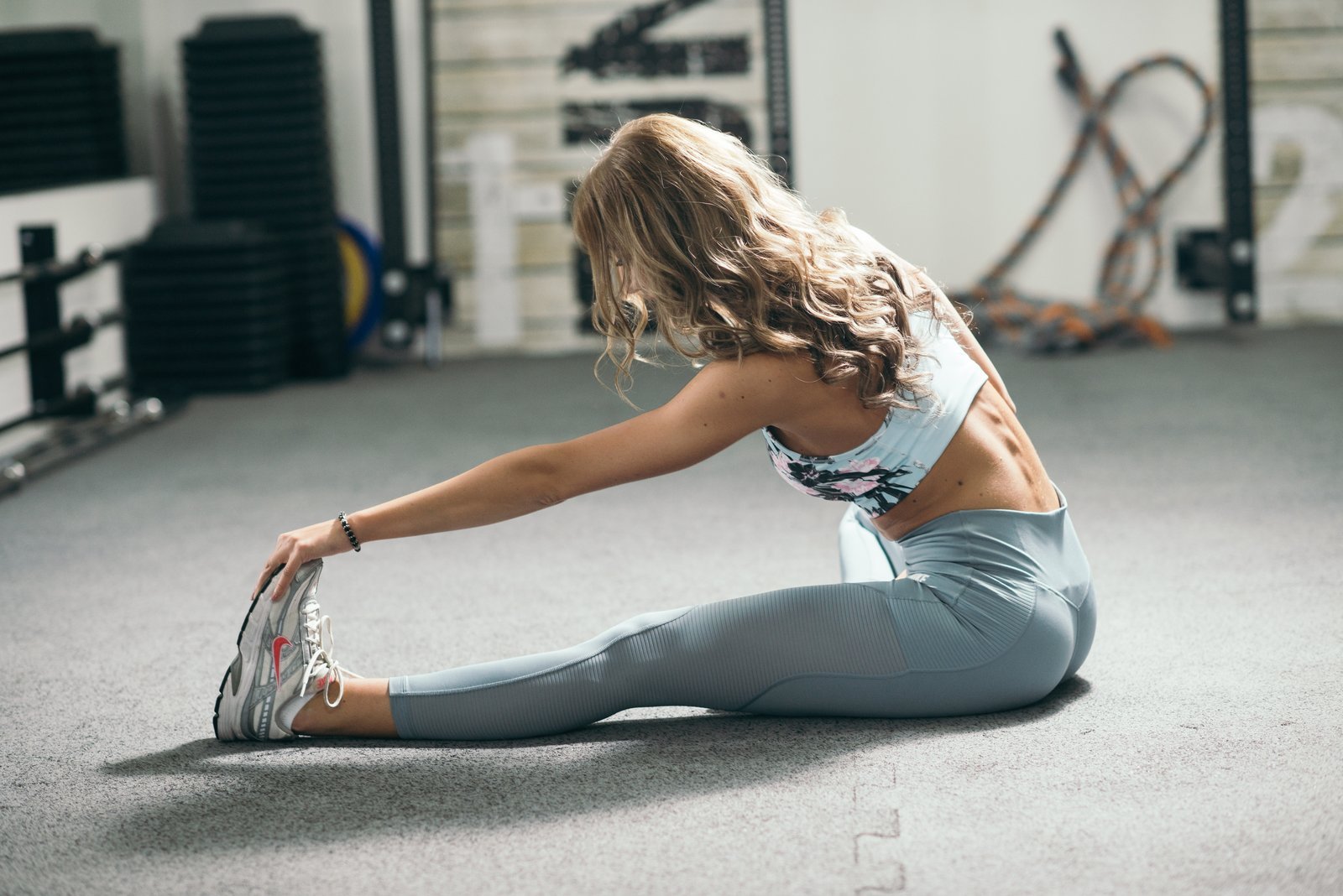
Quick stretches before or after a workout prepare or relax the muscle, but deep stretching needs a dedicated session where each position is held longer (30-60 seconds or more), aiming to gradually increase range of motion long-term rather than just warming up or cooling down.
How to Build a Deep Stretching Routine
- Set aside one or two sessions a week, separate from strength or cardio training, for 15-20 minutes.
- Target common tight spots: hips, hamstrings, lower back, and shoulders.
- Breathe deeply through each position — tension in your breathing hinders muscle relaxation.
- Do not push into sharp pain; the goal is a comfortable stretch, not a painful one.
Flexibility improves slowly and needs real consistency, but the difference becomes noticeable within a few weeks in how easily you move day to day.