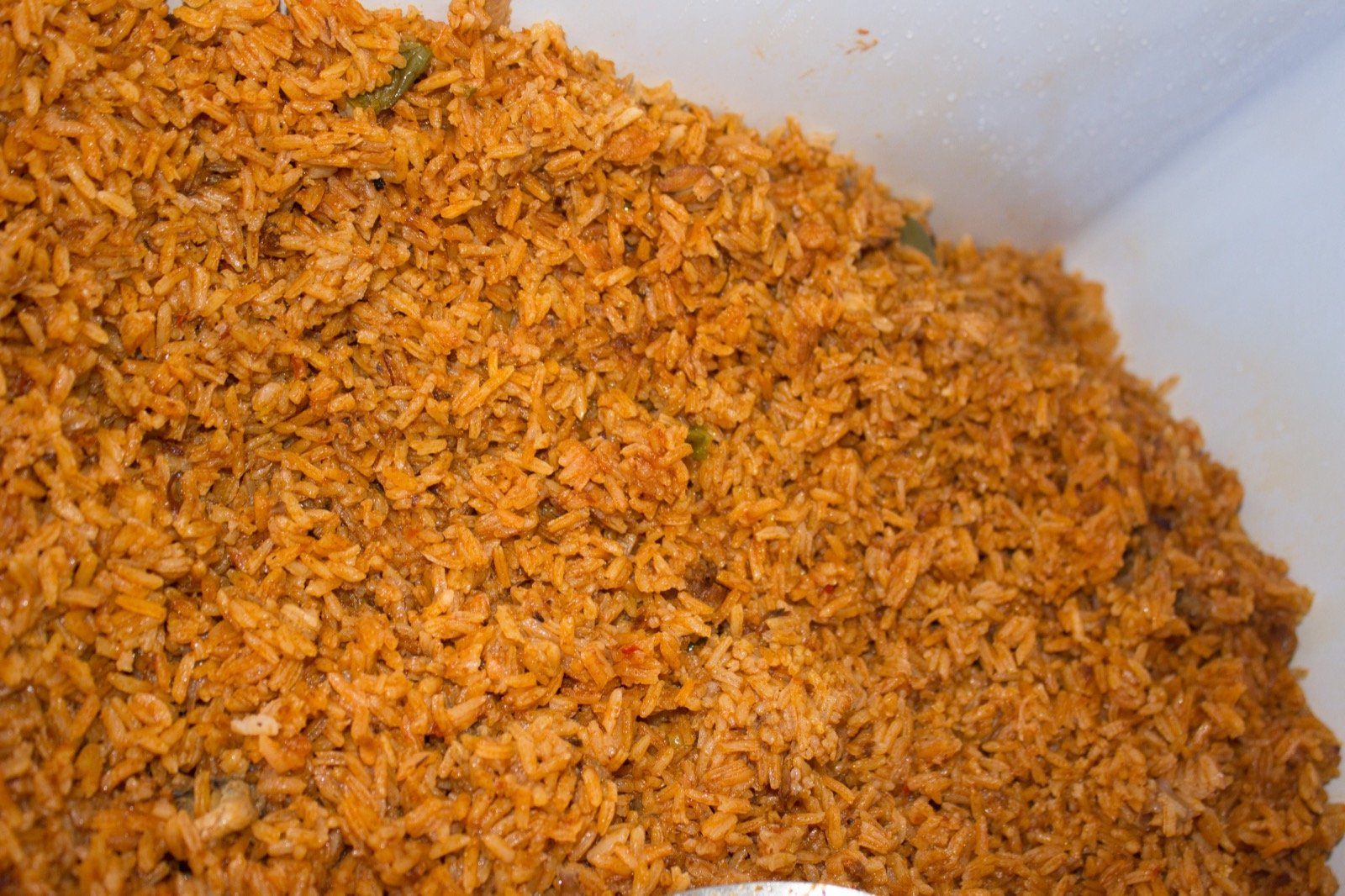
A classic Tunisian dish: steamed couscous grains served over a spicy lamb and root vegetable stew with chickpeas, seasoned with harissa and fragrant Tunisian spices.
التحضير30 د
الطهي90 د
الحصص6
الصعوبةمتوسط
سعرات480
المقادير
خطوات التحضير
Heat the oil in the base of the couscoussier (or a deep pot) and brown the lamb pieces on all sides.
Add the onion and cook until softened.
Add the harissa, tomato paste, cumin and coriander, and stir well for a minute.
Pour in the water or stock and add salt, then let the meat simmer gently for 45 minutes.
Meanwhile, moisten the couscous grains with a little water and oil, rubbing them between your hands to break up any lumps.
Place the couscous in the top tier of the couscoussier over the simmering broth and let it steam for 20 minutes.
Remove the couscous and rub it again with your hands, sprinkling a little water to keep it fluffy, then return it to steam for another 15 minutes.
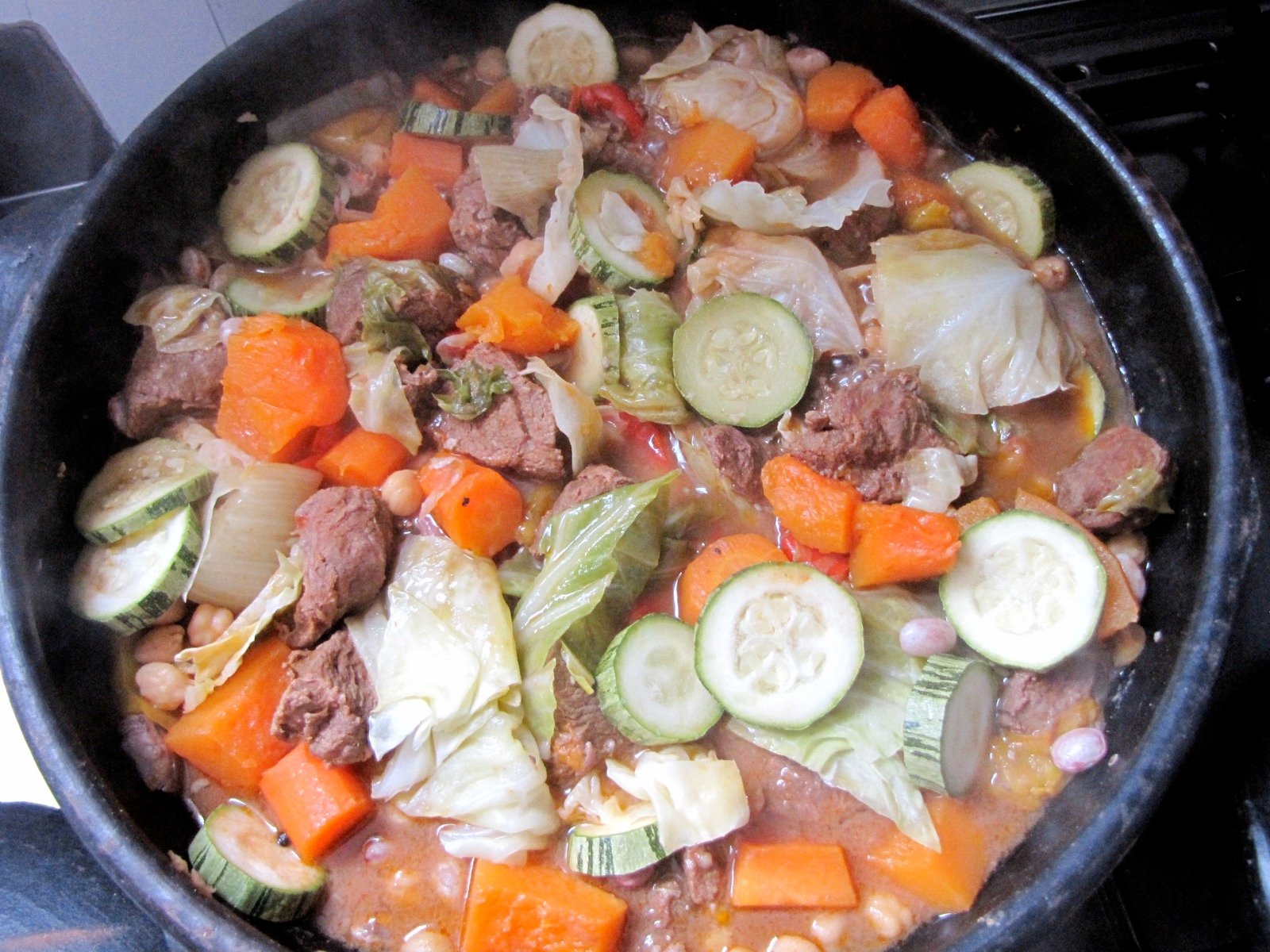
Add the carrots and squash to the meat and cook for 15 minutes, then add the zucchini and chickpeas and cook another 10 minutes until the vegetables are tender.
Adjust the seasoning and make sure the meat and vegetables are fully cooked.
Serve the couscous on a wide platter, with the grains on the bottom topped with the meat, vegetables and broth.
نصيحة
Rubbing the couscous by hand several times during steaming is the secret to light, separate grains instead of a clumpy mass. Adjust the harissa quantity to your preferred spice level.
Couscous is Tunisia's foremost dish and most closely tied to its culinary identity, part of the ancient Amazigh (Berber) cooking heritage shared across North African countries. The Tunisian version is known for its distinctive heat compared to its Moroccan and Algerian neighbours, relying heavily on harissa, the famous Tunisian hot red pepper paste that gives the dish its characteristic colour and fiery flavour.
Traditional couscous requires a double-cooking method using a two-tiered «couscoussier» pot: the meat and vegetables cook in the lower chamber, while the semolina grains steam in the rising vapour in the upper chamber, giving them a light, fluffy texture that absorbs the broth's flavours without becoming gluey. The dish is typically served at family gatherings and on Fridays in Tunisia.



💬 التعليقات (0)
لا توجد تعليقات بعد — كوني أول من يعلّق!