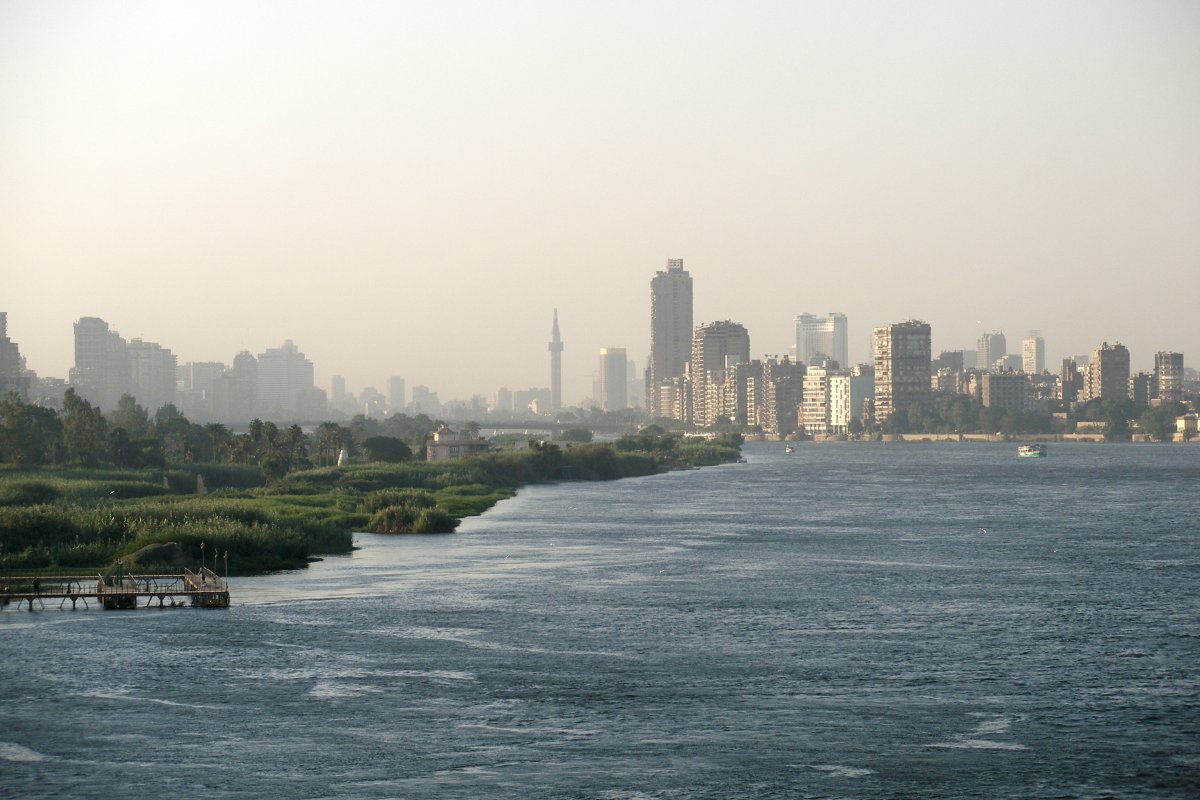
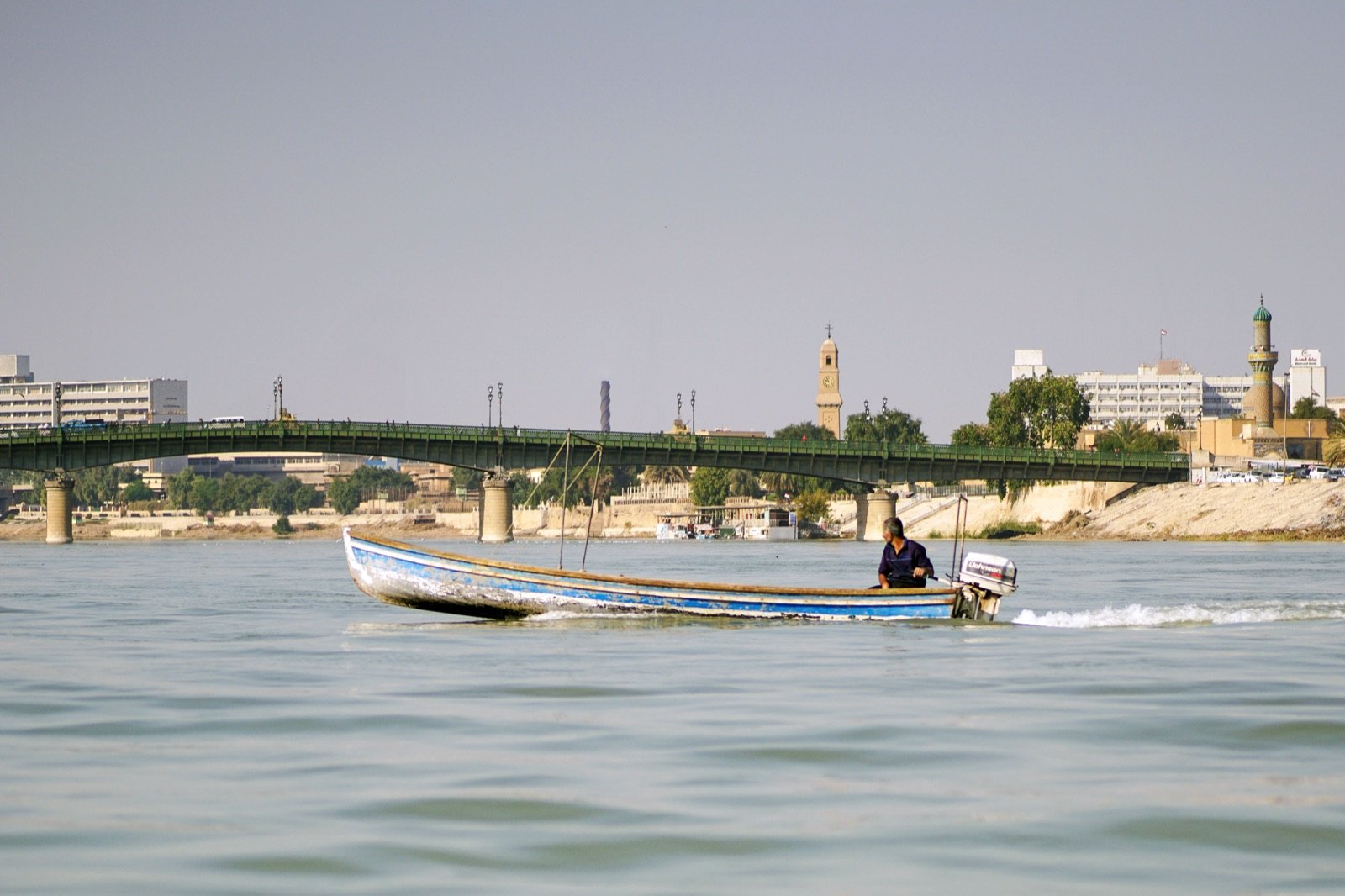
Baghdad is the capital of Iraq and its largest city, situated on the banks of the Tigris River in the heart of Mesopotamia. It was founded in 762 AD by the Abbasid Caliph Al-Mansur as the new capital of the Abbasid Caliphate, named the "City of Peace." It quickly grew into the largest city in the world at the time and a center of science and philosophy.
Capital of the Islamic Golden Age
Baghdad was home to the "House of Wisdom," the most famous center of translation and scholarship in Islamic history, where Greek, Persian, and Indian knowledge was translated into Arabic, fueling advances in mathematics, medicine, and astronomy. Despite the destruction wrought by the Mongols in 1258, Baghdad remained a cultural hub across the ages, and today hosts the famous Al-Mutanabbi Street, known for its bookshops and literary cafes.
- Historic Al-Mutanabbi Street, the heart of Baghdad's book culture
- The Iraq Museum, home to treasures of Mesopotamian civilization
- The Suspension Bridge and Al-A'immah Bridge over the Tigris
- The historic Ottoman-era Qishla complex downtown
Baghdad's population exceeds seven million, making it the second most populous city in the Arab world. Despite the challenges of recent decades, the city remains a symbol of resilience and deep civilizational heritage.