Rio de Janeiro is a coastal Brazilian city on the Atlantic Ocean, founded by Portuguese colonists in 1565. Its name stems from a navigational error: explorers who reached the bay in January 1502 believed they were looking at the mouth of a great river, so they named the place «River of January», though what they had actually found was «Guanabara» Bay.
From Imperial Capital to City of Carnival
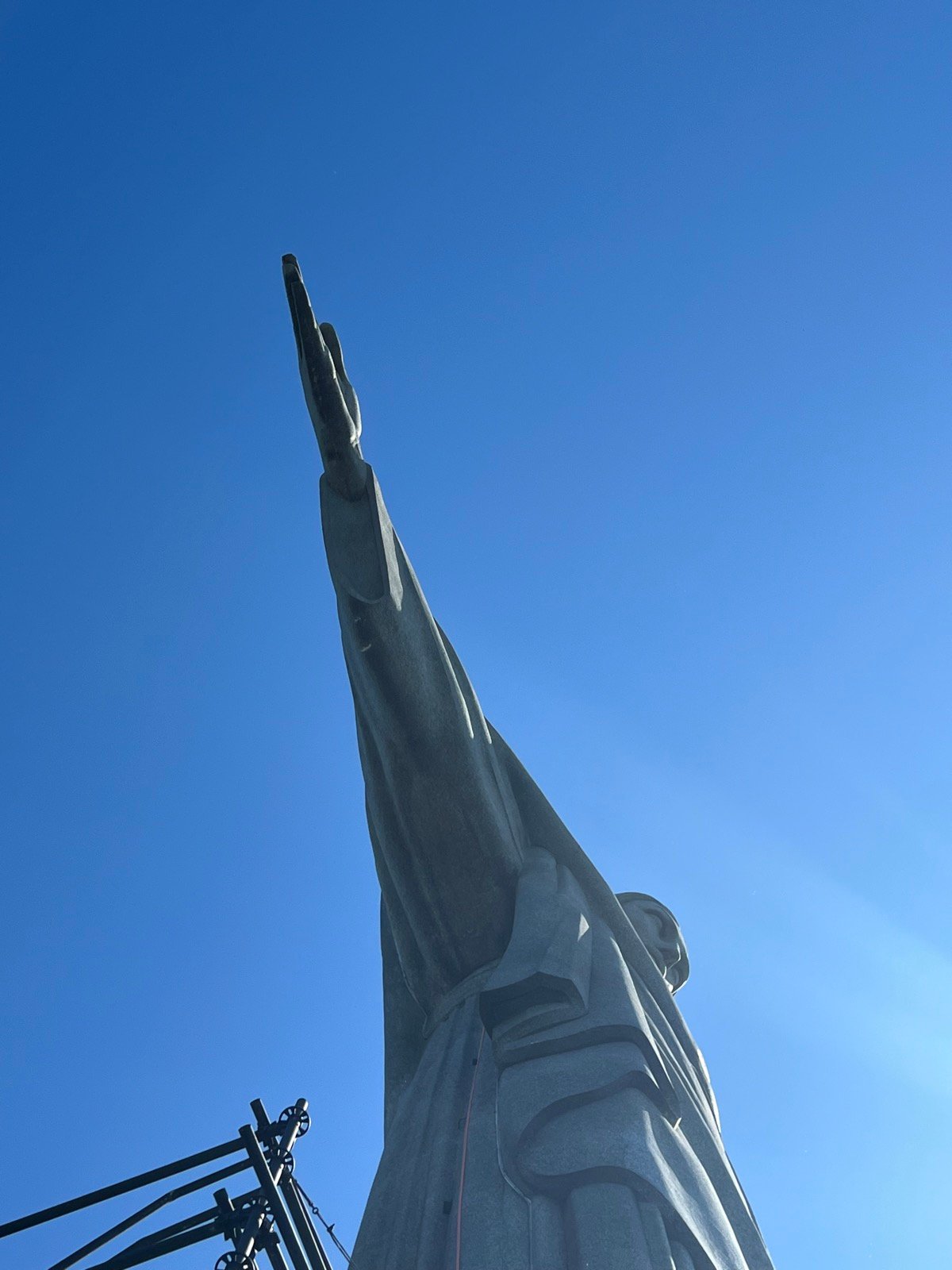
Rio served as the capital of colonial and then imperial Brazil until 1960, and was even, for a time, the capital of the Portuguese Empire itself between 1808 and 1821, when the Portuguese royal court fled there to escape the Napoleonic invasion — making it the only city outside Europe ever to host the capital of a European empire. The famous «Christ the Redeemer» statue has overlooked the city and its sweeping beaches like Ipanema and Copacabana from atop «Corcovado» mountain since 1931.
- The Christ the Redeemer statue is one of the Seven Wonders of the Modern World
- The only city outside Europe to host the capital of a European empire (1808–1821)
- The Rio Carnival is the largest carnival celebration in the world
- Sugarloaf Mountain (Pão de Açúcar) is one of its most iconic natural landmarks
Rio de Janeiro is known for its unique blend of mountainous terrain and golden sandy beaches, and for the «samba» music that fills its streets, especially during the annual Carnival week that draws millions of visitors.