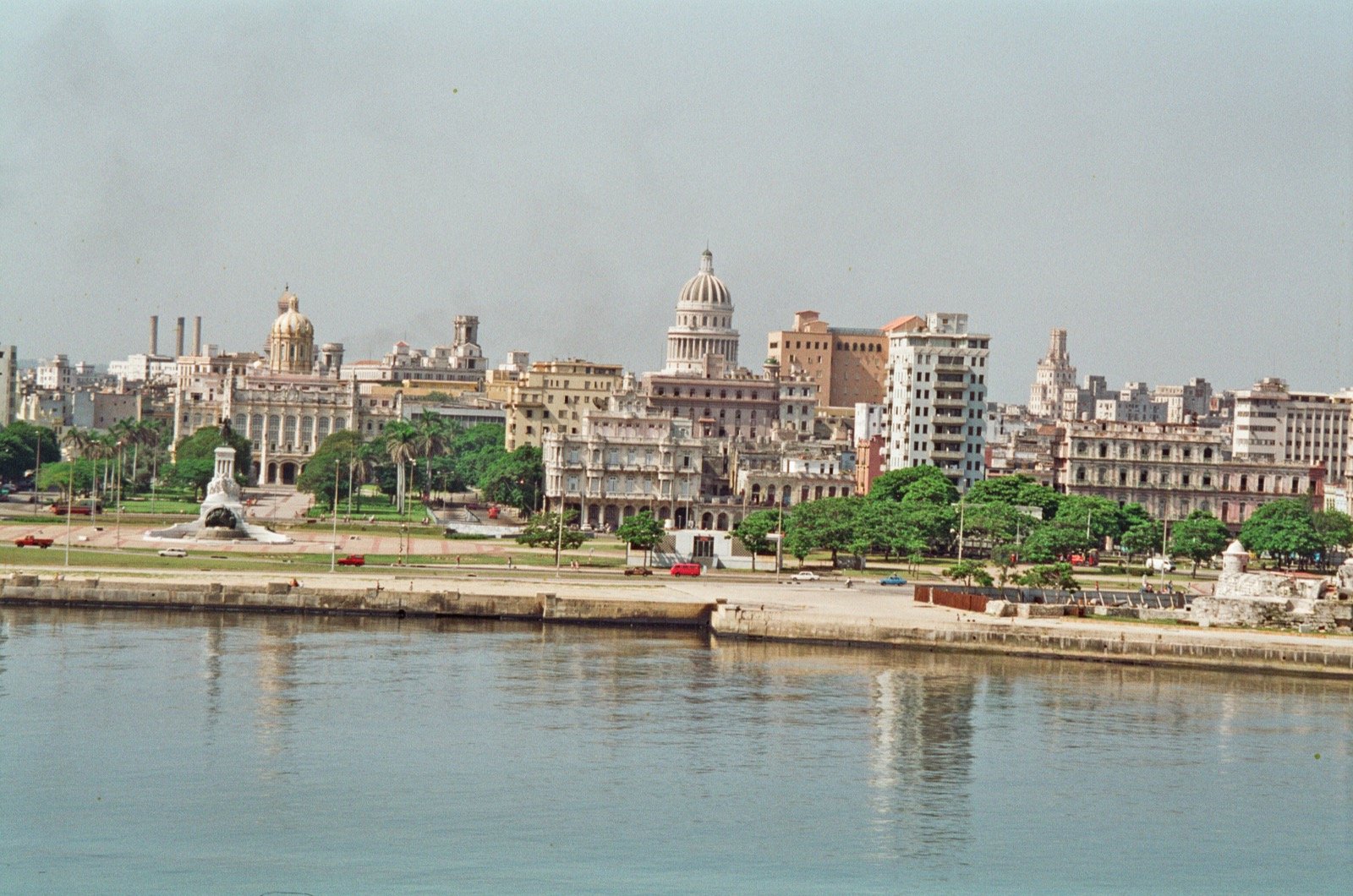
Havana is the capital and largest city of Cuba, situated on the island's northern coast facing the Florida Strait. Spanish colonists founded it in 1519 near the site of an indigenous settlement ruled by a Taíno chief named «Habaguanex», from whom the city's name is derived. Havana quickly became a pivotal port for Spanish treasure fleets crossing from the Americas to Europe.
A City Where Time Seems to Stand Still
«Old Havana» holds one of the best-preserved Spanish colonial districts in the Americas, with colorful facades and defensive stone fortresses built to protect the port from pirate raids, earning it a place on the UNESCO World Heritage list. Decades of economic isolation have reinforced a unique scene of classic American cars from the 1950s that still roam the city's streets today.
- Old Havana is a UNESCO World Heritage Site
- Thousands of classic American cars from the 1950s still run on its streets
- The Malecón seafront promenade, stretching over 7 kilometers, is an iconic landmark
- The Morro Castle fortress was built in the 16th century to protect the harbor
Havana is known for its live music and dance culture that fills its streets, and for its colorful colonial architectural blend, giving it a visual character unmatched among the world's capitals.